

Do Hospitals Spend Too Much Money on the Wrong Disinfectants?
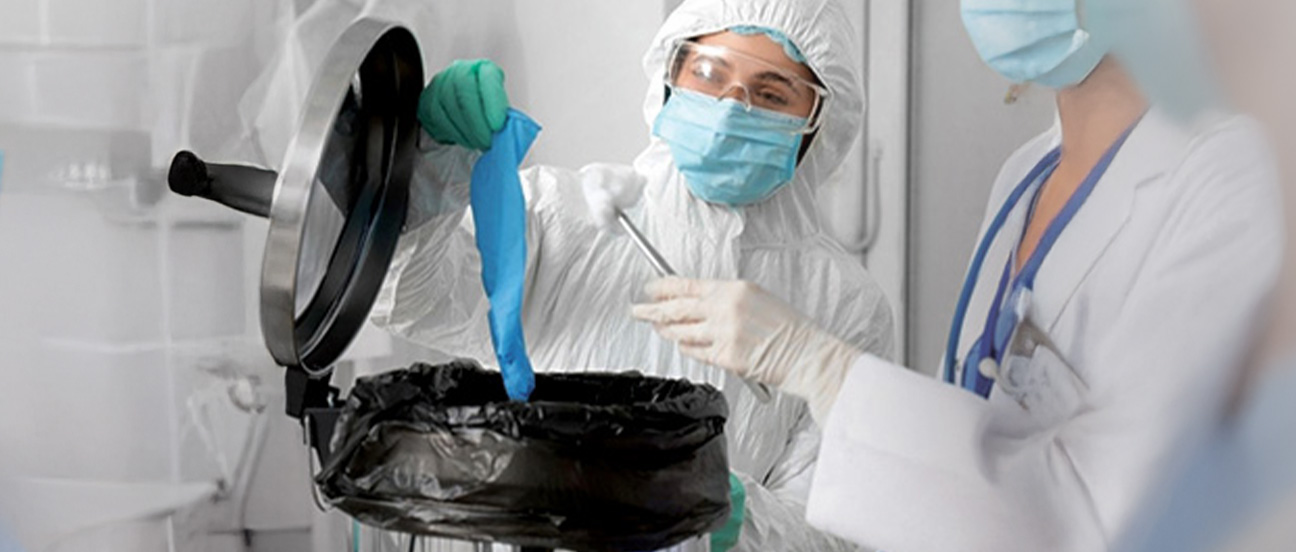
Disinfectants are a vital part of hospital hygiene, playing a critical role in preventing infections, protecting patients, and ensuring compliance with regulatory standards. However, not all disinfectants have similar effectiveness. Despite their intentions to maintain a sterile environment, many hospitals inadvertently allocate substantial budgets to disinfectants that are ineffective, inefficient, or unsuitable for their needs. This misallocation not only increases costs but also puts patient safety at risk. By identifying the wrong disinfectants, hospitals can minimize the consequences and optimize their disinfection practices.
How Hospitals Choose the Wrong Disinfectants
Hospitals often fall into common traps when selecting disinfectants. These choices, though well-meaning, can lead to poor outcomes:
1. Overlooking Pathogen-Specific Efficacy
Not all disinfectants work against all pathogens. A hospital using a disinfectant that does not effectively target specific bacteria, viruses, or fungi risks compromising its infection control efforts.
2. Choosing Based on Cost Alone
While budget constraints are a reality, opting for the cheapest disinfectant can lead to subpar performance. Low-cost products often lack the potency and reliability needed for hospital-grade disinfection.
3. Ignoring Environmental Impact
Some hospitals invest in harsh chemical disinfectants without considering their impact on the environment or their staff’s health. These products may contribute to long-term issues such as chemical resistance and environmental pollution.
4. Relying on Outdated Products
With rapid advancements in disinfection technology, some hospitals continue using older products that are less effective compared to modern formulations.
The Consequences of Choosing the Wrong Disinfectants
Using ineffective or unsuitable disinfectants has far-reaching implications for hospitals:
Check the cream’s label to ensure it covers a wide range of pathogens, including bacteria, fungi, and viruses. This is particularly important for treating wounds in high-risk environments.
6. Additional Benefits
Some antiseptic creams offer added benefits, such as:
Moisturizing Properties: Prevents skin from drying out during the healing process.p>
Pain Relief: Includes mild anesthetics to reduce discomfort.
Scar Reduction: Contains ingredients that minimize the appearance of scars.
Common Mistakes to Avoid When Using Antiseptic Creams
While antiseptic creams are highly effective, improper use can hinder their benefits. Avoid these common mistakes to ensure the best results:
1. Skipping Wound Cleaning
Applying antiseptic cream to an unclean wound can trap dirt and bacteria, leading to infections. Always clean the area with mild soap and water before application.
2. Overusing the Cream
More isn’t always better. Using excessive amounts of cream can clog the wound and delay healing. A thin, even layer is sufficient.
3. Ignoring Allergic Reactions
If you notice redness, itching, or irritation after applying the cream, discontinue use and consult a healthcare professional. Allergic reactions can exacerbate skin issues.
4. Using Expired Products
Check the expiration date before use. Expired antiseptic creams may lose efficacy and fail to provide adequate protection.
5. Neglecting Follow-Up Care
Wounds need regular monitoring. If the condition worsens or shows no improvement after a few days, seek medical advice promptly.
Tips for Safe Use of Antiseptic Creams
To maximize the benefits of antiseptic creams and ensure safe application, follow these guidelines:
Clean the Wound
Wash the area with mild soap and water before applying the cream to remove dirt and debris.
Use a Sterile Applicator
Avoid touching the cream directly with your hands to prevent contamination.
Apply a Thin Layer
A small amount is usually sufficient. Over-application can delay healing.
Cover with a Bandage
Protect the area with a sterile bandage to keep it clean and promote faster recovery.
Store Properly
Keep the cream in a cool, dry place and check the expiration date regularly.
Healing Simplified with the Right Cream
Selecting the right antiseptic cream involves understanding your needs, evaluating the product’s ingredients, and considering factors like skin sensitivity and ease of application. By avoiding common mistakes and using the cream properly, you can ensure optimal wound care and faster recovery.
Nanz Med Science is a reputed name in pharmaceutical formulations, offering high-quality antiseptic creams and solutions that cater to diverse needs. With a focus on innovation and safety, Nanz Med Science ensures products that deliver reliable and effective results for wound care.